

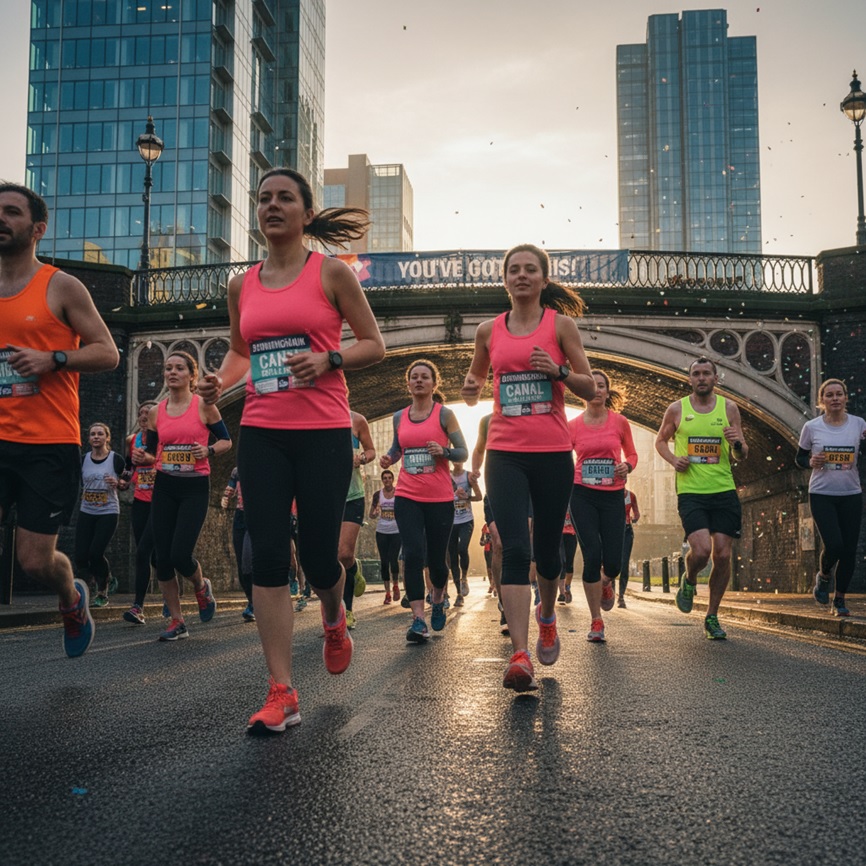
Birmingham, often known as the heart of the country, is a vibrant metropolis defined by its canals, industrial heritage, and, increasingly, its thriving athletic culture. Whether you are a seasoned marathon runner or someone just looking to complete your first timed kilometre, the city provides an exceptional backdrop for achieving your fitness goals. Participating in organised races offers a motivational boost that standard training runs often lack, transforming solitary effort into shared triumph.
These structured running opportunities provide clear targets, expert support, and the unique energy of a crowded starting line. If you are looking to participate in structured Birmingham running events, you are in luck, as the calendar is packed with opportunities ranging from short, fast sprints to longer endurance tests. Embracing the race atmosphere can fundamentally change how you view your training and your overall potential as an athlete.
Introduction: why the west midlands is a runner’s paradise
The West Midlands region provides a fantastic mix of urban grit and accessible green spaces, making it ideal for road running events. From the expansive parks like Cannon Hill and Sutton Park to the scenic canals that weave through the urban centre, Birmingham’s geography supports diverse race routes. This means runners are never short of inspiring scenery, whether they prefer the soft ground of a parkland trail or the firm tarmac of a city centre circuit.
The city council and local organisers collaborate effectively to ensure these events are not only safe but also highly enjoyable, attracting thousands of participants each year. The sheer volume of people involved creates an electric atmosphere, with spectators and marshals lining the routes to cheer on every single competitor. This collective enthusiasm makes running in the city a truly memorable experience.
The undeniable benefits of structured running events
Signing up for a race provides accountability that is difficult to replicate when training alone. It establishes a fixed date in the future, demanding a disciplined preparation schedule and giving structure to your weekly mileage. This commitment is often the key difference between someone who dreams of running and someone who successfully completes the distance.
Furthermore, running in a group environment, even if you are competing against yourself, pushes your boundaries in ways that solo training cannot. The competitive energy and the desire to finish strongly often result in performance improvements you didn’t know you were capable of. It’s an opportunity to test your limits in a safe, monitored environment.
Achieving personal bests and clear goals
Setting a personal best (PB) is a primary motivator for many runners, and race day conditions are often optimised for speed. The clearly marked routes, official timing, and lack of traffic interruptions all contribute to an environment where you can truly focus on pace. Crucially, the presence of pacers helps runners maintain their goal speed consistently, preventing the common mistake of starting too fast or fading too early.
Whether your goal is simply to cross the finish line or to shave thirty seconds off your previous best time, organised events provide the framework for success. The sense of accomplishment when you achieve that goal, validated by an official time chip, is immensely satisfying. This success then fuels your motivation for the next round of training and preparation.
Building community and camaraderie
Running can sometimes feel like a solitary sport, requiring long hours pounding the pavement alone. However, joining a race flips this narrative entirely, transforming the individual effort into a shared communal experience. Runners bond over shared training struggles, race day nerves, and the mutual respect for the effort expended.
This sense of community extends beyond the race itself, often leading to connections with local running clubs and training groups. Sharing tips on everything from hydration strategies to the best anti-chafing products helps new runners integrate quickly. The supportive environment found at these events is invaluable for long-term adherence to a fitness regime.
Exploring the city through movement
Many of the most popular Birmingham running events utilise routes that showcase the city’s hidden gems and iconic landmarks. Running along closed roads offers a unique perspective of the metropolitan environment that is impossible to experience during normal commuter hours. You might run past the historic Jewellery Quarter, loop around the Bullring, or follow the picturesque stretches of the canal network.
This exploration adds a layer of enjoyment to the physical challenge, turning the race into a sightseeing tour. For residents, it provides a renewed appreciation for their hometown; for visitors, it offers an energetic way to see the best Birmingham has to offer. The combination of physical exertion and visual stimulus creates powerful, lasting memories.
Choosing your challenge: distance and commitment
Runners often start their journey by choosing a distance that feels challenging yet achievable. The city’s calendar caters to all levels, ensuring there is a perfect race for every stage of your running development. It is important to select a distance that aligns with your current fitness level and the time you realistically have available for training.
Committing to a longer race requires a significant time investment, but even shorter distances demand consistency and preparation. Assessing your current weekly mileage and building up gradually is the safest and most effective strategy for preventing injury and ensuring you enjoy the race day experience.
Starting strong: the appeal of the 5k distance
The 5-kilometre distance (just over three miles) remains the most accessible entry point for new runners and those returning after a break. It requires less intensive training than longer races, making it manageable to fit into a busy working week. A 5k race is a brilliant way to test your speed and endurance without committing to months of high-mileage training.
Whether you are aiming for a quick sprint or a longer endurance test, the city offers brilliant options for birmingham 5k and 10k events throughout the calendar. These shorter races are often held in local parks or along well-maintained routes, providing a friendly and low-pressure environment perfect for beginners.
Stepping up: mastering the 10k challenge
Once the 5k feels comfortable, the 10k challenge (6.2 miles) represents the next logical progression for many athletes. This distance demands slightly more strategic training, focusing on sustained endurance and pacing over a longer period. It requires commitment, but the reward of completing a 10k is substantial, proving that you have built a solid fitness foundation.
Training for a Birmingham 10k often involves dedicated long runs on the weekend, allowing runners to explore more of the surrounding areas outside the city centre. Successfully completing this distance builds confidence, preparing you mentally and physically for even longer distances like half marathons, should you choose to pursue them.
Planning your year of achievement
A structured running calendar helps maintain motivation year-round, preventing the dreaded post-race slump. Instead of viewing training as a chore, you begin to see it as preparation for the next exciting challenge on the horizon. Many runners plan their year around major seasonal events, alternating between shorter distances for speed work and longer ones for endurance building.
This forward planning allows you to strategically manage your rest and recovery periods, ensuring peak performance when it truly matters. This preparation is essential if you want to tackle a comprehensive catalogue of running events across the region and beyond. Having a clear schedule ensures you stay focused and continually move towards new goals.
Practical advice for race day success
Race day is the culmination of weeks or months of diligent effort, and success often hinges on meticulous planning, especially in the final 48 hours. Many runners overlook the importance of logistics, but knowing exactly where to park, where to collect your bib, and when to start your warm-up can significantly reduce anxiety. Arriving early is always advisable, giving you plenty of time to soak up the atmosphere and prepare mentally.
Remember that the marshals and volunteers are there to help, so don’t hesitate to ask questions about the route or facilities. Trust your training, stick to your planned pace, and try to enjoy the unique experience of running alongside hundreds of other motivated individuals.
Training smart, not hard
Effective training is about quality over sheer quantity of kilometres. Incorporating varied sessions, such as interval training, tempo runs, and hill repeats, is crucial for building both speed and resilience. Simply running the same distance at the same pace every day will lead to stagnation and potentially overuse injuries.
Listening to your body is paramount; rest days are just as important as long run days, allowing muscles and connective tissues time to repair and strengthen. Many successful runners adhere to the 80/20 rule: 80% of your runs should be at an easy, conversational pace, and only 20% should involve high-intensity effort.
Nutrition and hydration essentials
Fuel is the engine of the runner, and race day nutrition begins several days before the event itself. Carbohydrate loading is a well-known strategy, but it must be done sensibly, focusing on complex, easily digestible foods rather than excessive junk food. Avoid introducing any new foods or supplements in the 24 hours leading up to the race, as this can lead to unexpected digestive issues.
Hydration is equally critical, especially when running in warmer conditions that are typical of summer events. Sip water consistently in the days prior, and ensure you utilise the water stations provided on the course. Proper fuelling ensures you maintain energy levels and avoid hitting the dreaded ‘wall’ during the later stages of the race.
Beyond the finish line: maintaining momentum
Crossing the finish line of any of the local UK running events is a huge achievement, but the journey does not end there. Recovery is essential, involving light movement, stretching, and replenishing lost nutrients immediately after the race. Take a few days of complete rest before gradually easing back into your running routine.
To prevent motivation from dipping, immediately set a tentative goal for your next event, perhaps tackling a slightly longer distance or aiming for a quicker time at the same distance. The structure and excitement provided by competitive running are powerful tools for maintaining long-term physical and mental health. The West Midlands athletic community is always ready to welcome new participants, offering continuous opportunities for growth and achievement.
Embrace the challenge, enjoy the atmosphere, and discover just how far your running potential can take you within this dynamic city.