

Casinos operate in a high-risk environment where large volumes of cash, chips, and digital transactions move constantly. With thousands of guests on the floor and millions of dollars in circulation, security systems are not optional—they are mission-critical infrastructure. Modern casinos rely on layered, technology-driven protection designed to prevent fraud, theft, cheating, and operational disruptions.
This article breaks down how casino security systems work, the technologies involved, and why they are among the most advanced surveillance ecosystems in the world.
The Core Purpose of Casino Security
Casino security is built around three primary goals:
-
Protect assets – cash, chips, equipment, and data
-
Ensure fair play – detect cheating or collusion
-
Maintain guest safety – prevent violence, theft, or misconduct
Unlike typical retail or hospitality environments, casinos require constant monitoring of every gaming table, machine, and financial transaction.
Surveillance Systems: The “Eye in the Sky”
At the center of casino security is a highly advanced surveillance network, often referred to as the “eye in the sky.”
High-Definition Cameras
Modern casinos deploy thousands of cameras that:
-
Capture activity from multiple angles
-
Zoom in on card hands and chip movements
-
Monitor entrances, exits, and cash handling areas
-
Record footage 24/7
These cameras use low-light technology and high frame rates to ensure no detail is missed.
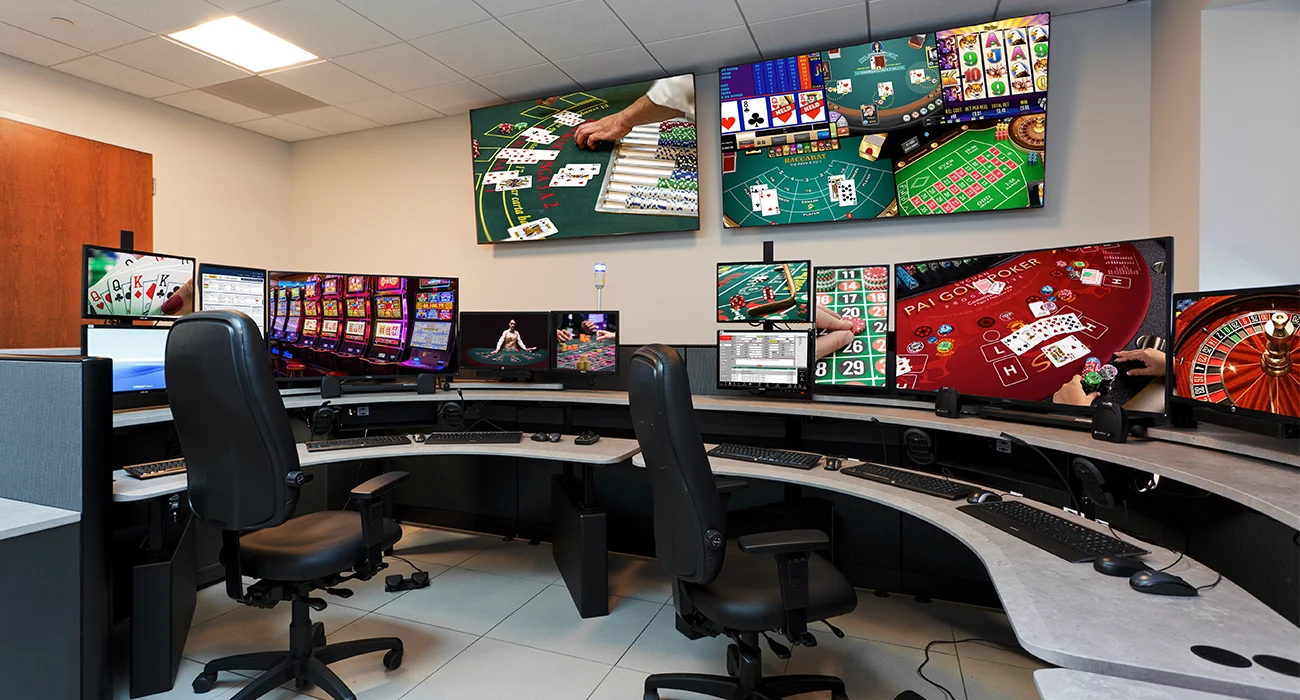
Central Surveillance Rooms
Surveillance feeds are routed to a centralized control room staffed by trained operators. These teams:
-
Monitor suspicious behavior in real time
-
Track known advantage players
-
Coordinate with floor security
-
Store footage for regulatory compliance
In many jurisdictions, regulations require casinos to archive surveillance footage for a specific duration.
Access Control and Physical Security
Beyond cameras, casinos rely heavily on physical security protocols.
Controlled Entry Points
Sensitive areas such as:
-
Cash cages
-
Vaults
-
Surveillance rooms
-
Count rooms
are protected by biometric authentication, keycard systems, and restricted access levels.
Security Personnel
Uniformed and plainclothes officers patrol gaming floors to:
-
Respond to disputes
-
Deter theft
-
Handle intoxicated or disruptive guests
-
Escort high-value cash transfers
The human element remains essential despite technological advances.
RFID and Chip Tracking Technology
One of the most significant advancements in casino security is RFID (Radio Frequency Identification) technology embedded in chips.
How RFID Works
Each RFID-enabled chip contains a microchip that:
-
Stores a unique identifier
-
Communicates with sensors at gaming tables
-
Tracks wagers in real time
This allows casinos to:
-
Detect counterfeit chips
-
Monitor betting patterns
-
Prevent internal theft
-
Audit table performance instantly
The system creates a digital trail for every chip movement.
Fraud and Cheating Detection
Casinos face various cheating attempts, including card marking, past-posting, and collusion.
Behavioral Analytics
Advanced software analyzes:
-
Betting irregularities
-
Unusual win-loss ratios
-
Suspicious player coordination
Artificial intelligence tools can flag patterns invisible to the human eye.
Facial Recognition
Some casinos use facial recognition systems to:
-
Identify banned individuals
-
Track known cheaters
-
Recognize VIP guests
These systems compare live footage against secure databases while operating within local privacy laws.
Cybersecurity in Modern Casinos
Today’s casinos are heavily digitized environments with:
-
Online gaming platforms
-
Digital payment systems
-
Customer loyalty databases
-
Networked slot machines
This creates cybersecurity challenges beyond physical threats.
Network Protection Measures
Casinos deploy:
-
Firewalls and intrusion detection systems
-
End-to-end encryption
-
Multi-factor authentication
-
Regular penetration testing
Cybersecurity teams monitor networks continuously to prevent data breaches or ransomware attacks.
Compliance and Regulatory Oversight
Casino security systems must meet strict gaming authority requirements. Regulatory bodies mandate:
-
Surveillance coverage standards
-
Data retention policies
-
Incident reporting protocols
-
Background checks for staff
Non-compliance can lead to severe penalties or license suspension.
Emergency Response and Crisis Management
Casinos prepare for emergencies including:
-
Fire outbreaks
-
Active threats
-
Power failures
-
Medical incidents
Security systems integrate with:
-
Fire alarms
-
Public address systems
-
Emergency lighting
-
Law enforcement communication channels
Rapid coordination ensures minimal disruption and maximum safety.
Data-Driven Risk Management
Modern casinos increasingly rely on predictive analytics to:
-
Identify high-risk behaviors
-
Forecast fraud attempts
-
Optimize staffing levels
-
Improve response times
By combining surveillance footage, transaction logs, and behavioral data, casinos create a proactive security posture rather than a reactive one.
The Balance Between Security and Guest Experience
While security is rigorous, it must remain discreet. Guests expect entertainment—not visible enforcement pressure.
Casinos design systems to be:
-
Unobtrusive
-
Fast-responding
-
Integrated seamlessly into operations
A well-designed security framework protects both the casino and its patrons without diminishing the overall experience.
Frequently Asked Questions (FAQ)
1. How long do casinos keep surveillance footage?
Retention periods vary by jurisdiction, but most casinos store footage for several weeks to several months, depending on local gaming regulations.
2. Are casino cameras always recording?
Yes. Gaming floors, cash handling areas, and entrances are monitored continuously, typically 24/7.
3. Can casinos detect card counters?
Card counting is not illegal in many places, but casinos use behavioral analysis and surveillance monitoring to identify advantage players and may restrict their play.
4. What happens if someone tries to use counterfeit chips?
RFID-enabled chips and chip verification procedures allow casinos to quickly detect and remove counterfeit chips from circulation.
5. Do casinos share security data with law enforcement?
When criminal activity is suspected, casinos cooperate with law enforcement and provide surveillance evidence as required by law.
6. Are online casinos protected by the same security measures?
Online casinos rely more heavily on cybersecurity tools such as encryption, fraud detection algorithms, and identity verification systems.
7. Is facial recognition mandatory in casinos?
No. Its use depends on regional regulations and individual casino policies, though it is increasingly adopted in high-risk markets.