

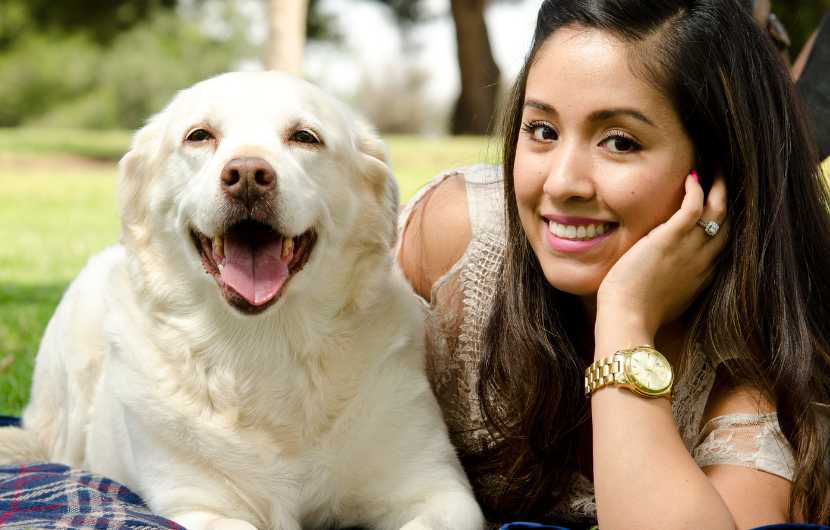
Owning a pet is a rewarding experience, but it also comes with responsibilities that go far beyond feeding and cuddling. Whether you are a new pet owner or an experienced one, having a clear understanding of best practices can help ensure your furry, feathered, or scaled companion lives a happy, healthy, and fulfilling life. These pets tips will provide valuable insights into daily care, long-term health, and overall wellbeing.
Creating a Safe and Comfortable Environment
Your pet’s environment plays a significant role in their overall health and behaviour. A safe and stimulating space will reduce stress, prevent injuries, and promote mental engagement.
Home Preparation
-
Keep harmful items like cleaning products, sharp objects, and toxic plants out of reach.
-
Provide secure enclosures, gates, or barriers for pets prone to wandering.
-
Ensure proper ventilation and a comfortable temperature, especially for small animals or exotic pets.
Resting and Sleeping Areas
-
Provide a quiet, comfortable bed tailored to your pet’s size.
-
Position sleeping areas away from draughts or direct sunlight.
-
For cage-dwelling pets, create nesting zones using safe bedding material.
Nutrition and Feeding Guidelines
Diet is one of the most critical aspects of pet care. The right food, portion size, and feeding routine can significantly affect your pet’s health and longevity.
Choosing the Right Diet
-
Consult a vet for breed or species-specific dietary requirements.
-
Choose high-quality food free from fillers and unnecessary additives.
-
Ensure fresh water is always available.
Feeding Habits
-
Stick to regular feeding schedules to maintain metabolism and prevent overeating.
-
Avoid giving pets human food like chocolate, grapes, onions, or salty snacks.
-
For multi-pet households, feed them separately if one tends to steal food from another.
Exercise and Physical Activity
Active pets are healthy pets. Lack of exercise can lead to obesity, behavioural problems, and health conditions.
Daily Activities
-
Dogs benefit from daily walks, runs, and interactive play.
-
Cats enjoy climbing trees, scratching posts, and hunting-style games.
-
Small pets such as rabbits and guinea pigs need safe playpens for hopping and exploring.
Mental Stimulation
-
Rotate toys to prevent boredom.
-
Use puzzle feeders to combine exercise with mental engagement.
-
Teach basic training commands to stimulate both brain and body.
Grooming and Hygiene Practices
Maintaining proper grooming and hygiene not only keeps pets looking good but also prevents skin infections and health issues.
Grooming Essentials
-
Brush coats regularly to reduce shedding and prevent matting.
-
Bathe dogs and other suitable pets as needed, using species-appropriate shampoos.
-
Trim nails to prevent overgrowth, which can cause pain or posture issues.
Oral and Ear Care
-
Brush teeth with pet-safe toothpaste to prevent dental problems.
-
Regularly check ears for redness, odour, or discharge and clean with vet-approved solutions.
Veterinary Care and Preventive Health
Regular health check-ups are vital for early detection of potential illnesses. Preventive care can save pets from severe conditions and improve their quality of life.
Routine Check-ups
-
Schedule annual vet visits for vaccinations and general examinations.
-
Keep flea, tick, and worming treatments up to date.
-
Monitor for changes in behaviour, appetite, or energy levels as these may indicate health concerns.
Emergency Preparedness
-
Keep a pet first-aid kit at home.
-
Know the location of the nearest emergency veterinary clinic.
-
Learn to recognise urgent symptoms such as difficulty breathing, sudden collapse, or prolonged vomiting.
Training and Behavioural Support
Proper training builds trust and strengthens the bond between you and your pet.
Basic Training
-
Teach commands like sit, stay, and come for safety and discipline.
-
Use positive reinforcement rather than punishment.
-
Be consistent with rules and routines.
Behavioural Enrichment
-
Socialise pets early to prevent aggression or fear-related behaviours.
-
Provide scratching posts for cats to reduce furniture damage.
-
Redirect unwanted behaviour with alternative activities.
Building a Strong Bond with Your Pet
Pets thrive on companionship and emotional connection. Building trust and affection is just as important as providing food and shelter.
Quality Time
-
Dedicate daily time to play, cuddle, or interact with your pet.
-
Respect their need for alone time when they retreat to rest.
-
Use gentle tones and body language to reassure and communicate.
Long-Term Commitment
-
Understand that owning a pet is a lifelong responsibility.
-
Prepare for lifestyle changes such as moving, job shifts, or family growth, ensuring your pet remains part of the plan.
-
Consider adopting from shelters, giving a second chance to animals in need.
Travel and Outdoor Safety
Travelling with pets requires planning to keep them secure and stress-free.
Car and Public Transport
-
Use a secure carrier, crate, or seatbelt harness for car travel.
-
Never leave pets unattended in vehicles.
-
Offer regular water and bathroom breaks during long trips.
Outdoor Adventures
-
Always use a leash or harness in public spaces.
-
Ensure microchips and ID tags are up to date.
-
Be cautious of weather extremes, hot pavements, or freezing conditions.
FAQs on Pets Tips
How often should I take my pet to the vet?
Most pets benefit from at least one annual check-up. Puppies, kittens, and senior animals may need more frequent visits.
What’s the best way to introduce a new pet to my home?
Introduce gradually, allowing existing pets to adjust at their own pace. Use scent swapping, supervised meetings, and separate spaces until they are comfortable.
How can I help my pet deal with separation anxiety?
Provide toys, interactive feeders, and comfort blankets when you leave. Start with short absences and gradually extend time away to build resilience.
Do pets need special care during seasonal changes?
Yes. In winter, provide warmth and avoid icy walks. In summer, prevent heatstroke with shaded areas, cool water, and avoiding midday sun.
Can I train an older pet, or is it too late?
It is never too late to train a pet. Older pets may learn more slowly, but with patience and consistency, they can adapt to new commands and routines.

