

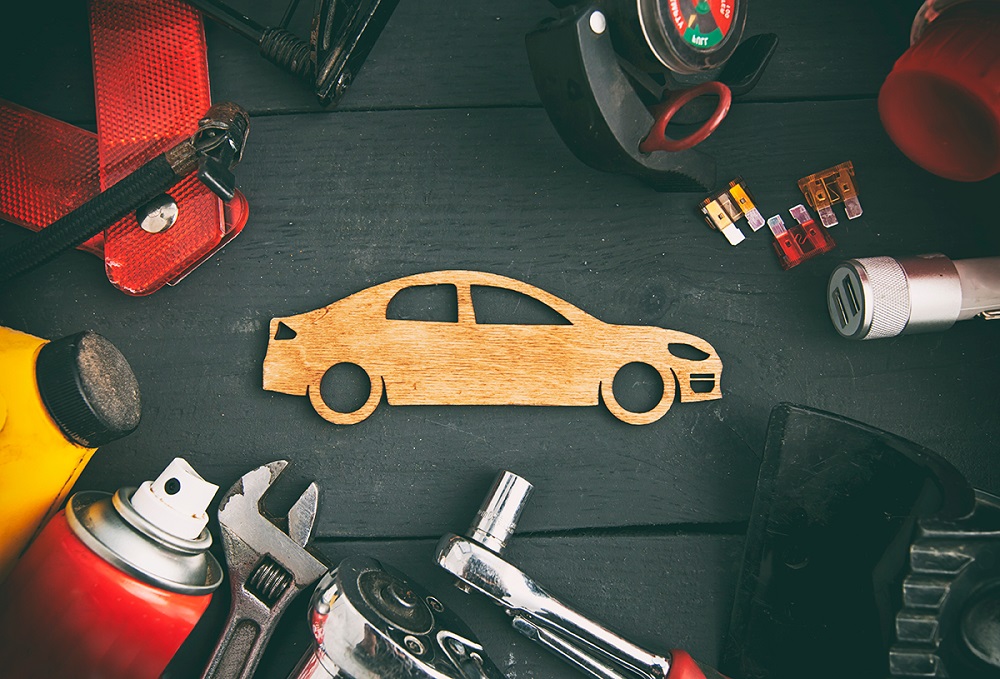
Driving without the right tools can quickly turn a minor inconvenience into a serious problem. Whether you’re commuting daily or planning long road trips, having the right car accessories improves safety, comfort, and preparedness. Below is a carefully selected list of must-have items every driver should keep in their vehicle.
Emergency Safety Essentials
Unexpected breakdowns and roadside emergencies happen without warning. These tools can make a significant difference in critical moments.
Must-have emergency items:
-
Jumper cables or a portable jump starter – Essential for reviving a dead battery without waiting for roadside assistance.
-
First-aid kit – Include bandages, antiseptic wipes, gloves, and basic medications.
-
Reflective warning triangles or flares – Increase visibility if your vehicle stops on a busy road.
-
Portable tire inflator – Useful for low-pressure situations until you reach a repair shop.
-
Fire extinguisher (automotive-rated) – Small engine fires can escalate quickly without one.
-
Flashlight with spare batteries – Critical during nighttime emergencies.
Keeping these items organized in a compact emergency kit ensures quick access when needed.
Maintenance and Repair Tools
Routine vehicle issues can often be handled without professional assistance—if you have the right tools.
Key tools to keep in your car:
-
Basic tool kit – Screwdrivers, pliers, adjustable wrench, and socket set.
-
Tire pressure gauge – Maintaining proper tire pressure improves fuel efficiency and safety.
-
Car jack and lug wrench – Necessary for changing a flat tire.
-
Spare tire (properly inflated) – Often overlooked until it’s urgently needed.
-
Engine oil and coolant – Small top-ups can prevent serious engine damage.
Even basic mechanical knowledge paired with these tools can save time and money.
Comfort and Convenience Accessories
Long drives and daily commutes become more enjoyable with practical convenience upgrades.
Comfort-focused essentials:
-
Phone mount – Keeps navigation visible while allowing hands-free driving.
-
Seat organizers – Store documents, chargers, snacks, and personal items neatly.
-
Windshield sunshade – Protects the interior from heat damage.
-
Car trash bin – Maintains cleanliness on the go.
-
Multi-port USB charger – Keeps devices powered during travel.
These accessories enhance daily usability without significant expense.
Seasonal and Weather-Specific Items
Weather conditions can drastically impact driving safety. Preparing for seasonal changes reduces risk.
Cold-weather essentials:
-
Ice scraper and snow brush
-
Emergency thermal blanket
-
Extra windshield washer fluid
All-weather additions:
-
All-weather floor mats
-
Rain-repellent windshield treatment
-
Portable battery booster (cold drains batteries faster)
Drivers in extreme climates should adjust their kits accordingly.
Road Trip and Long-Drive Additions
Extended journeys require extra preparation.
-
Reusable water bottles
-
Non-perishable snacks
-
Paper maps (backup navigation)
-
Blanket and travel pillow
-
Portable power bank
These additions ensure comfort and preparedness during extended travel or unexpected delays.
Why These Accessories Matter
Owning the right car accessories isn’t about overpacking—it’s about preparedness and prevention. Small investments in safety and convenience tools can prevent accidents, reduce stress, and protect your vehicle from unnecessary damage. A well-equipped car reflects responsible driving habits.
Frequently Asked Questions (FAQ)
1. How often should I check the items in my car emergency kit?
At least every six months. Check battery-powered devices, expiration dates on medical supplies, and ensure all tools remain functional.
2. Is a portable jump starter better than jumper cables?
Portable jump starters are often more convenient because they don’t require another vehicle. However, jumper cables remain a reliable backup.
3. What size fire extinguisher is appropriate for a car?
A compact, automotive-rated extinguisher (typically 1–2.5 pounds) is sufficient for most vehicle emergencies.
4. Are digital tire pressure gauges more accurate than manual ones?
Digital gauges are generally easier to read and often more precise, but high-quality manual gauges are equally reliable when properly maintained.
5. Should new drivers carry different accessories?
New drivers should prioritize safety tools, navigation aids, and roadside assistance contact information, especially while gaining experience.
6. What’s the most overlooked car accessory?
Many drivers forget to carry a properly inflated spare tire or fail to check its condition regularly.
7. How can I organize accessories without cluttering the trunk?
Use compartmentalized storage bins or trunk organizers to separate emergency gear from daily-use items.

